Japan guide · Regenerative medicine
Japan ASRM accreditation for overseas cell processing sites
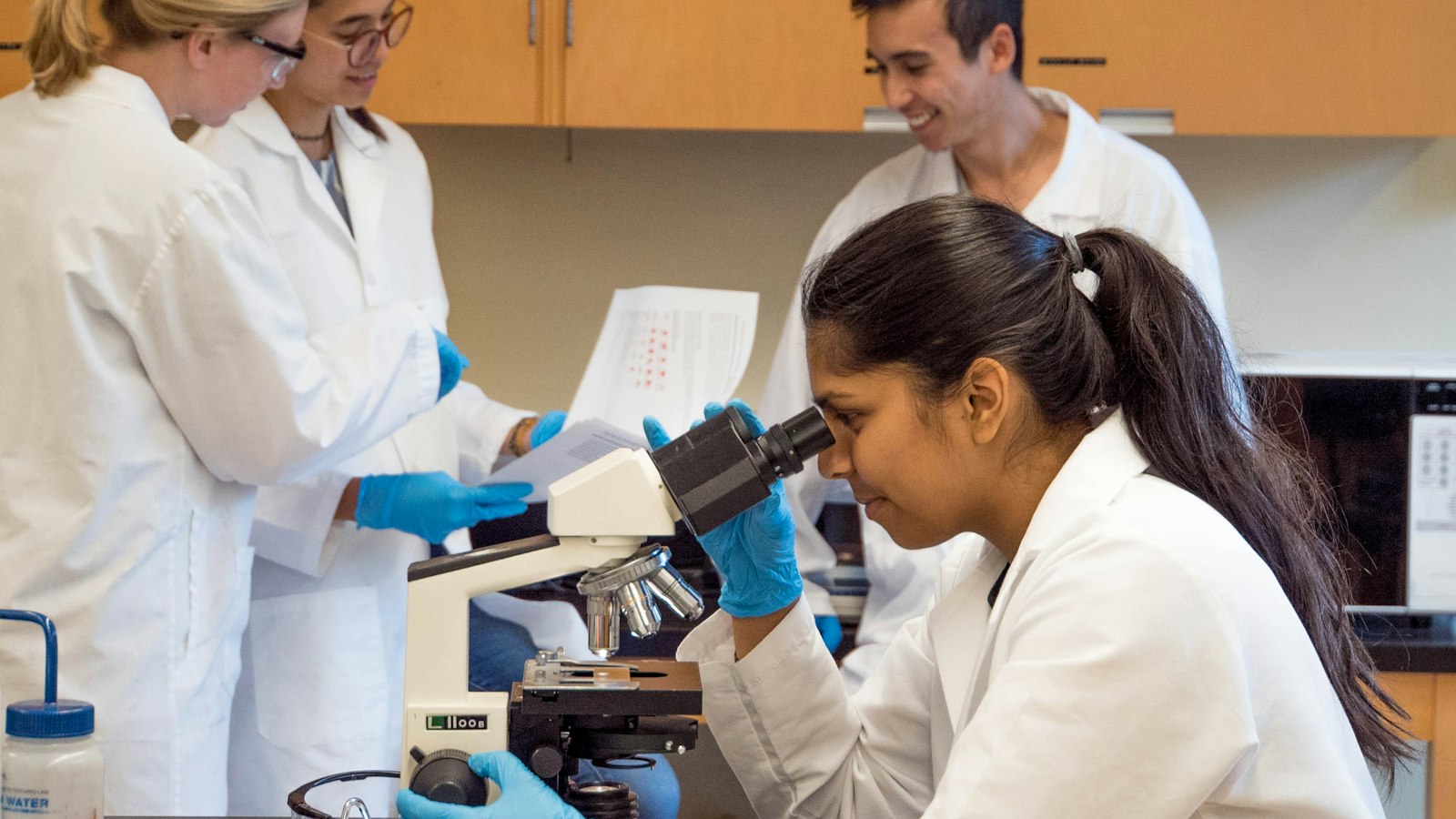
Photo: Trust "Tru" Katsande / Unsplash
A clinic in Japan, or a Japanese company that works with clinics, asks your cell processing facility in Korea, Europe or the United States to make cells for its patients. No product approval is involved. The clinic will give the cells under its own treatment plan, and it wants to know whether your site can legally take the order.
That work falls under the Act on the Safety of Regenerative Medicine (ASRM), not the PMD Act. Article 12 lets the clinic contract the manufacture of specified processed cells only to a facility that is licensed, accredited or notified under the Act. A facility abroad has one way in: accreditation by the Minister of Health, Labour and Welfare under Article 39, granted facility by facility after PMDA examines the site. Your GMP certificates do not replace it.
This guide explains how the two laws divide the work, how to apply, what PMDA examines, what accreditation commits you to, and what changed for vectors in 2025. It ends with the steps in order.
The ASRM, not the PMD Act, governs cells made for a clinic's patients
Japan runs two systems for cell therapy. The ASRM and the PMD Act's rules for regenerative medical products took effect together in November 2014, and they answer different questions.
The PMD Act covers products that a company sells after marketing approval. The list of approved regenerative medical products shows that route. The ASRM, Act No. 85 of 2013, covers regenerative medicine that clinics and hospitals provide themselves, in treatment or in clinical research, but not clinical trials run under the PMD Act. Article 2 defines specified processed cells as human or animal cells cultured or otherwise processed for regenerative medicine that are not regenerative medical products.
A clinic files a provision plan for each technique, sorted into Class I, II or III by risk. If someone else makes the cells, Article 4 requires the plan to give that manufacturer's name and what it is contracted to do.
MHLW sets out three routes for the manufacturer. A facility inside a hospital or clinic in Japan files a notification (Form 27). A facility in Japan outside a medical institution needs a licence (Form 14), with a PMDA examination. A facility abroad applies for accreditation (Form No. 22) and a PMDA examination (Form No. 26), both submitted to MHLW. Article 40's lighter notification route covers only facilities in Japanese hospitals and clinics, PMD Act-licensed sites in Japan and cord blood banks.
Accreditation under the ASRM is not the Accreditation of Foreign Manufacturers under the PMD Act. That one covers sites making approved products, which PMDA inspects against GMP or, for regenerative medical products, the GCTP Ministerial Ordinance. A site may need both.
Ask the Japanese side, before you quote, whether the work falls under a clinic's ASRM provision plan or under a PMD Act trial or product, because the accreditation you need depends on the answer.
Accreditation is per facility, granted by the Minister after PMDA looks
The manufacturer applies, not the clinic. Article 39 says a person who intends to make specified processed cells abroad for regenerative medicine in Japan "may" obtain the Minister's accreditation, one facility at a time.
The application is Form 22, in two copies, addressed to the Minister. It names the facility manager and the kinds of cells to be made, and carries the manager's curriculum vitae, a list of the products and documents on the structure and equipment. The PMDA examination application, Form 26, goes with it. MHLW's online system for these procedures handles accreditation applications, changes and reports.
PMDA publishes the list of documents it wants. It opens with the reports confirming the cleanliness of the aseptic and controlled areas. Then come a company overview with your document hierarchy, a map with an aerial photograph, the site layout and a floor plan. The plan must show room names and areas, main equipment, flows of people and materials, the cleanliness zones and the pressure differentials between rooms in pascals. PMDA also asks for a process description with annual lot numbers and lot size, a list of tests, an equipment list (Form 3-1), the HVAC, water and wastewater systems, waste handling, and a signed pledge (Form 4). Form 2 is the overview of a foreign facility. English is accepted, and documents in other languages need a summary in Japanese or English.
The examination is made on documents or on site. The fees are set by Cabinet Order No. 278 of 2014: 54,200 yen without a site visit, or 120,500 yen plus the travel cost of two PMDA staff with one.
The law also screens the applicant. Accreditation can be refused within three years after a revocation or after a prison sentence has been served, or within two years of a violation of the ASRM, the PMD Act or other listed laws.
It has been done. RepliCel announced in July 2022 that PMDA specialists, at MHLW's request, had inspected its contract facility in Austria, run by Innovacell. The inspection came after more than a year of pandemic delays. RepliCel said that certified facilities existed in Korea, China and Taiwan, but none yet outside Asia.
Budget for a site visit by two PMDA staff, and prepare the cleanliness reports and the floor plan with pressure differentials first, because PMDA's document list starts with them.
The standard is the ASRM ordinance, not GCTP
PMDA examines your facility against the ASRM's own rules. They sit in the Enforcement Ordinance, MHLW Ordinance No. 110 of 2014. Sites making approved regenerative medical products follow the GCTP Ministerial Ordinance instead.
Ordinance Article 89 sets the structural standards in twenty items. Aseptic processing areas may have no floor drains and no sinks, and their surfaces must be smooth, crack-free and able to withstand spraying with disinfectant. A closed system that keeps the process sterile relaxes some of these. Areas for aseptic work need filtered air and pressure differential control, again unless a closed system keeps sterility. Areas for animal or microbial testing need their own air handling, and areas handling pathogens need negative pressure. Storage needs thermostats and thermometers. You need test equipment, including for sterility, unless another laboratory does the testing under your responsibility.
Ordinance Article 90 requires one facility manager per facility, a person with biological knowledge of the products. Articles 92 to 110 set the quality duties. They cover quality risk management, separate production and quality units, a product standard document, procedures, process and quality control, verification, quality review, change control, deviations, complaints and defects, self-inspection, training and document control.
Two duties reach the clinic directly. Under Ordinance Article 104, a change that may affect quality needs the quality unit's approval, and the facility manager must report it to the clinic that receives the cells. Under Ordinance Article 111, each batch record names the clinic, where and when the cells were collected, the tests on them, the transport method and carrier, and the delivery date. Records are kept for at least 10 years from delivery, or 30 years where the raw materials resemble those of specified biological products or designated regenerative medical products.
Map your quality system to Ordinance Articles 89 to 112 before you apply, because those articles, not your home GMP certificate, are what PMDA examines.
Accreditation brings reports, notices and the risk of losing it
Accreditation lasts five years. The duties start on the first day.
You file a periodic report for each year counted from the accreditation date, within 60 days after the year ends. It gives the number of products made, the complaints handled and the adverse events clinics have told you about, with what you did in response. A regional bureau's guidance says the report is due even in a year with no production. A serious event that may affect safety must be reported promptly to the clinic and to the Minister. Changes to the structure and equipment and other registered items are notified within 30 days, and so is stopping manufacture.
Renewal costs 10,100 yen in fees to the State plus PMDA's renewal examination: 37,100 yen on documents, or 56,500 yen plus the travel cost of two staff on site. MHLW's regional bureaus ask domestic licence holders to apply five months before expiry. Ask MHLW what lead time it expects from a facility abroad.
For a facility abroad, Article 50 turns the Minister's power to order improvements into a power to request them. It also lets MHLW revoke the accreditation in whole or in part. The grounds include ignoring a request for a report, refusing or obstructing an inspection by MHLW or PMDA, not following an improvement request, and violating the Act. A missed statutory report is a violation, so it can count.
Oversight has tightened since 2025. On February 28, 2025, MHLW wrote to facilities after specified processed cells contaminated with microorganisms caused a serious infection. It issued a guideline on the microbiological safety of specified processed cells in October 2025 and a second edition on June 12, 2026. In September 2026 it opened a window for reports of suspected violations and safety concerns.
Two practical points remain. MHLW publishes no public list of facilities and refers inquiries to its contacts, so a clinic will rely on the certificate you send it. And a 2014 MHLW notice asks that the import invoice state that the goods are specified processed cells used under the Act. We could not confirm whether the notice was updated after 2025.
Set up the annual report, the 30-day change notice and the serious event report as standing procedures on the day you are accredited, because MHLW can revoke an accreditation for a breach of the Act.
Since May 2025, vectors and other nucleic acids are covered too
The 2024 amendment, Act No. 51 of 2024, took effect on May 31, 2025. It brought in vivo gene therapy, which uses no processed cells, into the ASRM as a Class I technology.
The Act now speaks of specified processed cells "and others". The second half is specified nucleic acids, and for them manufacture means producing them by chemical synthesis or other methods. A regional bureau names viral vectors and genome-editing enzymes as examples. Making them for a clinic now needs a notification, licence or accreditation, exactly as cells do, and a facility abroad again uses Article 39.
The deadlines have passed. Manufacturers in Japan already making nucleic acids had until November 30, 2025 to file. For clinics, MHLW said that from May 31, 2026, giving nucleic acid therapies without ASRM procedures can bring administrative action and penalties.
MHLW announced that on May 27, 2026, together with orders under the Cartagena Act to 33 medical institutions. They had used genetically modified organisms in treatment without the required approval, and were ordered to inactivate and dispose of them. A vector maker has to check the Cartagena Act as well as this one.
If a clinic in Japan asks you to make a vector or another nucleic acid for its in vivo gene therapy, treat the order like an order for cells: your facility needs Article 39 accreditation before you ship.
Steps for an overseas facility taking orders from Japan
Take these in order. Steps 3 and 4 usually take longest.
- Ask the clinic or its Japanese partner which law the work falls under, the risk class of its provision plan, and whether the plan will name your facility as the contract manufacturer.
- Read ASRM Articles 35 to 54, Cabinet Order Articles 5 and 9, and Ordinance Articles 72 to 112 in Japanese, or in a translation checked against the Japanese.
- Assess your facility against Ordinance Article 89 and Articles 92 to 110, and appoint a facility manager with biological knowledge of the products.
- Prepare PMDA's document set in English: cleanliness reports, floor plans with pressure differentials, process and lot information, Forms 2, 3-1 and 4.
- File Form 22 in two copies with Form 26 through MHLW, and pay PMDA's fee: 54,200 yen, or 120,500 yen plus two staff's travel if PMDA visits.
- After accreditation, send the certificate to each clinic, agree the import invoice wording, and put the annual report (within 60 days after each year), 30-day change notices and serious event reports into your procedures.
- Keep batch records for at least 10 years from delivery, and ask MHLW early how far ahead of the five-year expiry to file for renewal.
For the Japanese terms on MHLW forms, see the side box and the glossary.
Sources
- Act on the Safety of Regenerative Medicine (Act No. 85 of 2013), text as currently in force (Japanese). e-Gov (Digital Agency), Oct 2026.
- Order for Enforcement of the Act on the Safety of Regenerative Medicine (Cabinet Order No. 278 of 2014): validity and fees (Japanese). e-Gov (Digital Agency), Oct 2026.
- Ordinance for Enforcement of the Act on the Safety of Regenerative Medicine (MHLW Ordinance No. 110 of 2014), Articles 72 to 112 (Japanese). e-Gov (Digital Agency), Oct 2026.
- Facilities manufacturing specified processed cells: overview, the three procedures and the duties (Japanese). MHLW, Oct 2026.
- Regenerative, cell and gene therapy: the Safety Act, the May 2025 amendment, notices and online procedures (Japanese). MHLW, Oct 2026.
- Conformity examinations under the Safety Act, with the list of documents to submit (Japanese). PMDA, Oct 2026.
- Procedures for manufacturing specified processed cells: licence, renewal, changes, reports and the 2025 amendment (Japanese). Kinki Regional Bureau of Health and Welfare (MHLW), Oct 2025.
- Measure orders under the Cartagena Act to 33 medical institutions, and the end of the transitional period for nucleic acid therapies (Japanese). MHLW, May 2026.
- Preventing microbial contamination in the manufacture of specified processed cells (notice of February 28, 2025; Japanese). MHLW, Feb 2025.
- Handling of imports of specified processed cells (MHLW notice, as forwarded; Japanese). Tokyo Metropolitan Government, Nov 2014.
- RepliCel's manufacturing inspected by Japan's PMDA (company release). BioSpace, Jul 2022.
- Regenerative medicine in Japan: the Act on the Safety of Regenerative Medicine and the PMD Act (English presentation). MHLW, Apr 2015.
English translations published by PMDA and MHLW are tentative; where they differ, the Japanese text prevails.