News · CDMO
Spiber opens its fermentation platform to customers as SPIBER BIOFOUNDRY
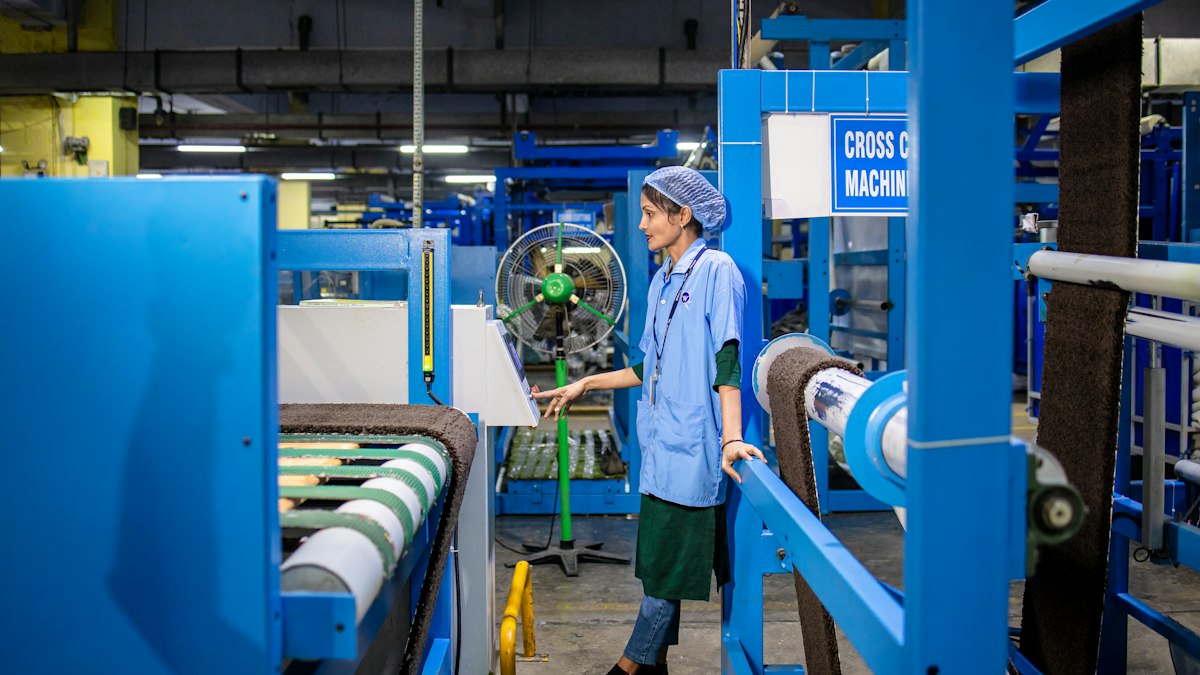
Photo: EqualStock / Unsplash
Spiber Inc. of Tsuruoka, Yamagata, the company behind Brewed Protein structural protein materials, launched SPIBER BIOFOUNDRY on October 2, 2026. The contract service opens up the platform Spiber spent nearly two decades building to mass-produce its own proteins, from gene sequence design to fermentation and purification. It comes as two services: strain development, and process development with contract manufacturing. Spiber chose BioJapan 2026 at Pacifico Yokohama, held October 7 to 9, for the first showing. It has not said which host microorganisms it uses. Indicative prices and lead times are given in its service overview.
From a 1 L bench fermenter to over 100 kL
Contract manufacturing runs from 1 L bench fermenters to 2,000 L vessels at the R&D site in Tsuruoka and commercial fermenters of more than 100 kL at the plant in Rayong, Thailand. Customers can book one stage at a time, down to a single lab-scale evaluation. The stated targets are research reagents, industrial enzymes, diagnostic raw materials and food ingredients, and the service covers proteins, other fermentation products and microbial biomass.
In microbial fermentation, a yield reached in the lab often fails to repeat in a large tank. Oxygen transfer, heat removal and mixing all change as the vessel grows. Spiber says contract fermentation capacity at pilot and commercial scale is scarce worldwide, and that some companies cannot find a contractor willing to take a genetically modified microorganism from the lab to commercial volumes. Its own production strains now reach titers of 50 g/L in its commercial plant. Spiber calls that "a production figure, not a best-case result from a test tube."
The gene sequence moves the yield
In strain development, Spiber optimizes the gene sequence for the customer's protein, introduces it into its proprietary host strains and measures expression. Codon choice alone can change how much protein a strain makes. In one case Spiber designed five sequences for human FGF-2, a growth factor used to culture iPS cells and other cells, and compared them with the same gene as optimized by a commercial gene synthesis provider. All five beat that control, at 5.9 to 9.4 times its yield. For human interferon-gamma the five gave 1.1 to 2.6 times, so the gain depends on the protein.
Drug substances are not on the list of targets, and the release does not mention GMP. A company that wants to use the service for a raw material in a drug manufacturing process would need to check the quality system separately.
CEO Maya Kawana says the aim is to let other companies "shorten their time to market." The business sells the route to scale, built on Spiber's own materials, alongside the materials themselves.